
Blog
Insights on BaZi, Chinese metaphysics, and living in harmony with your destiny.
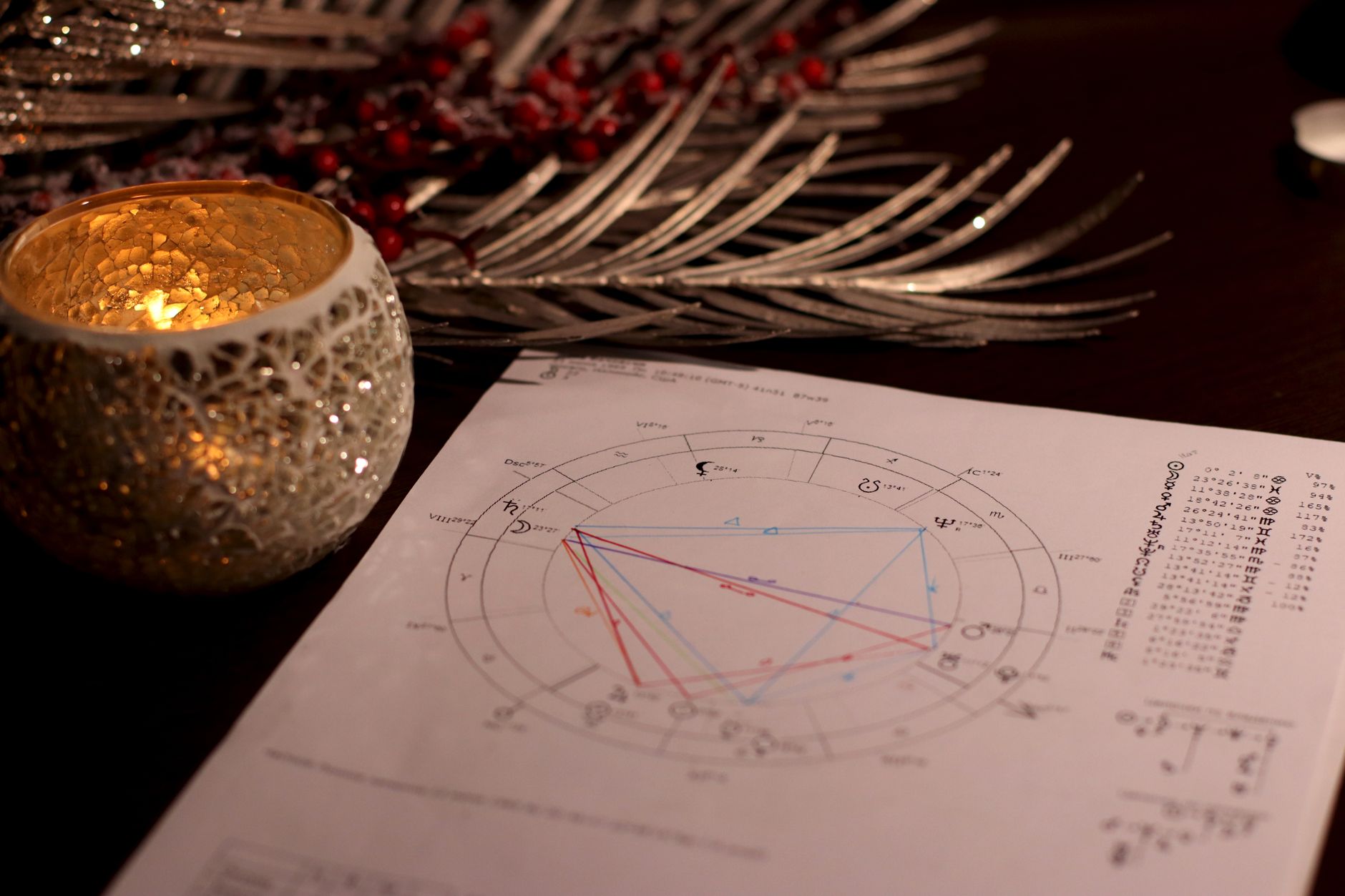
How BaZi Differs from Western Astrology: A Clear Comparison
(the Four Pillars of Destiny) reads your birth moment as a balance of five elements — Wood, Fire, Earth, Metal and Water — arranged in four pillars of heavenly stems and earthly branches, while
October 1, 2026
Chinese Naming Conventions and Surname Rules Explained: A Practical Guide
Chinese naming conventions traditionally put the family name before the given name. Cultural Atlas describes Hong Kong examples with a surname followed by a one- or two-character given name; romanisation and English-name formats can vary. For documents, confirm the surname and follow the issuing authority’s field instructions.
October 1, 2026
Chinese Names Inspired by Nature: Seasons, Flowers, Mountains and Water
Chinese names inspired by nature draw on a rich classical vocabulary of seasons, flowers, mountains, and water to express beauty, character, and aspiration. Unlike Western naming conventions, each Chinese character carries layered meaning — a name built from natural imagery does not merely sound pleasant; it encodes elemental qualities (Wood, Fire, Earth, Metal, Water) that Bazi practitioners use
August 18, 2026
Choosing a Chinese Name by Zodiac Sign: Lucky Characters for Each of the 12 Animals
The zodiac animal in your birth year genuinely shapes which Chinese characters work well in a name and which create subtle friction. Each animal has affinities with specific radicals — grain and earth radicals tend to strengthen Rat and Ox names, while fire and sun radicals energise Dragon and Snake names. This is not superstition for its own sake: the principle reflects the five-element relations
August 18, 2026
Chinese Boy Names and Their Meanings: Choosing Characters for Character
Chinese boy names are not just labels — they are condensed expressions of the values and aspirations parents hold for their sons. The most meaningful characters for boys cluster around ambition, wisdom, and moral integrity rather than brute strength or material wealth. Understanding what each character genuinely conveys, how it interacts with a child's Bazi element profile, and which combinations
August 18, 2026
Milk Names, School Names and Courtesy Names: The Many Names a Chinese Child Receives
A Chinese child does not receive just one name at birth. Traditionally, they may accumulate three or more distinct names across their lifetime: a milk name (乳名) used in infancy, a formal school name (學名) registered for official purposes, and — in earlier eras — a courtesy name (字) bestowed at adulthood. Each layer carries a different social function, a different emotional register, and a different
August 18, 2026
Can a Chinese Name Affect Your Luck? What Name Analysis Can and Can't Tell You
A Chinese name does not directly cause good or bad fortune — but the characters chosen carry vibrational, phonetic, and numerological properties that name analysis systems use to gauge alignment with a person's birth energy. Whether that alignment influences outcomes depends on your framework: traditional metaphysical schools treat it as a real factor worth optimising; secular observers treat it a
August 18, 2026
What Do Chinese Names Mean? A Guide to Auspicious Characters for Luck and Fortune
Chinese names are not just labels — each character is chosen for the specific meaning it carries, with parents traditionally selecting characters associated with luck, prosperity, longevity, and virtue. The character or characters in a name function as a lifelong blessing, and understanding what Chinese names mean for luck is fundamental to appreciating why naming is taken so seriously in Chinese
August 18, 2026
Chinese Girl Names and Their Meanings: Elegant Characters and What to Avoid
The most meaningful Chinese girl names combine characters whose written form, pronunciation, and semantic depth align together — beauty lies not only in sound but in the layers of meaning carried by each character. A name like 子涵 (Zǐhán, "refined and inclusive") or 若雪 (Ruòxuě, "like snow, pure") works because every element reinforces a coherent image. Choosing a character purely for its sound whil
August 18, 2026
Common Mistakes When Choosing a Chinese Baby Name
Choosing a Chinese name for your baby is one of the most meaningful gifts you can give — but it's also surprisingly easy to get wrong. The most common mistakes parents make include ignoring how a name sounds across dialects, combining characters that create unintended meanings or awkward homophones, selecting overly rare characters, and blindly copying names from relatives or trending lists withou
August 18, 2026
Naming Twins and Siblings in Chinese: Matching Characters Without Overdoing It
When naming Chinese twins or siblings, the goal is meaningful cohesion — not identical structure. The best sibling sets share a linking element (a common radical, a paired idiom, or a shared semantic field) while preserving each child's individual identity through balanced tones, distinct meanings, and, in traditional practice, complementary Five Elements (五行) rather than duplicate ones.
August 18, 2026
What Makes a Chinese Name Sound Beautiful? Tone Flow, Rhythm and Character Pairing
A Chinese name sounds beautiful when its tones rise and fall naturally across syllables — typically a high or rising tone on the surname followed by a contrasting tone in the given name — avoiding flat repetition, harsh glottal stops stacked together, or finals that collide awkwardly between characters. Rhythm, breath, and phonetic contrast are the three invisible forces that separate a name that
August 18, 2026
The Tradition of Generation Names in Chinese Families (Zi Bei) and Why They're Fading
A Chinese generation name (字輩, zì bèi) is a character shared by all relatives of the same generational rank within a clan — embedded into each person's given name according to a preset sequence of characters drawn from a genealogy poem, ensuring that family lineage and generational position could be read directly from a person's name alone.
June 29, 2026
"The Tradition of Generation Names in Chinese Families (Zi Bei) and Why They're Fading"
A Chinese generation name (字輩, zì bèi) is a shared character — drawn from a poem composed by a family's ancestors — that appears in the given name of every person in the same generational tier of a clan. It is not a surname, and it is not chosen by parents. It is inherited from a genealogical register that may be centuries old, and it signals, at a glance, exactly where you sit in a lineage that c
June 29, 2026
"Lucky vs Unlucky Numbers of Strokes and Characters in Chinese Names"
In Chinese naming tradition, the characters most widely considered unlucky are those whose pronunciations resemble words for death, sickness, or misfortune — most notably any character sounding like "sì" (四, four), which echoes "sǐ" (死, to die) — along with characters whose stroke totals fall on numbers associated with hardship or stagnation.
June 29, 2026
"Lucky vs Unlucky Numbers of Strokes and Characters in Chinese Names"
In Chinese naming tradition, the characters most widely considered unlucky are those whose pronunciations resemble words for death, sickness, or misfortune — most notably any character sounding like "sì" (四, four), which echoes "sǐ" (死, to die) — along with characters whose stroke totals fall on numbers associated with hardship or stagnation.
June 24, 2026

Baby Naming
How to Choose a Lucky Baby Name Using Bazi: A Complete Guide for Parents
A complete guide for parents on how to use Bazi (Four Pillars of Destiny) to choose a lucky name for their baby. Covers the five elements, sound of characters, stroke count, and practical tips for English and Chinese names.
June 9, 2026

BaZi Basics
How to Read a BaZi Four Pillars Chart: A Step-by-Step Beginner Guide
Learn how to read a BaZi four pillars chart step by step — from Day Master to luck cycles — with practical examples from Master Tinhan.
May 29, 2026

Five Elements
What Does the Earth Element Mean in Your BaZi Chart?
Earth element personality traits in BaZi run deeper than the familiar image of the steady, reliable person who keeps everything together. Whether you carry Wu Earth (戊土), the mountain, or Ji Earth (己土), the fertile soil, the classical Zi Ping framework reveals a specific kind of strength — grounded, patient, and profoundly centring. This guide covers the core traits, career strengths, relationship dynamics, and what it actually means to have Earth as your Day Master in the Four Pillars.
May 9, 2026

BaZi Basics
What Does Fire Element Mean in Your BaZi Chart?
In BaZi astrology, the Fire element (丙 Bing or 丁 Ding) represents passion, visibility, and leadership energy. Whether fire is your Day Master, year pillar, or luck cycle, understanding its meaning reveals your core personality traits, career strengths, and how you relate to others. This guide explains everything about Fire in BaZi — from basic traits to practical life guidance.
May 3, 2026